The menu is a mix of Spanish and Portuguese regional cuisines, and the menu changes seasonally.
Be sure to ask about the daily specials!
Appetizers
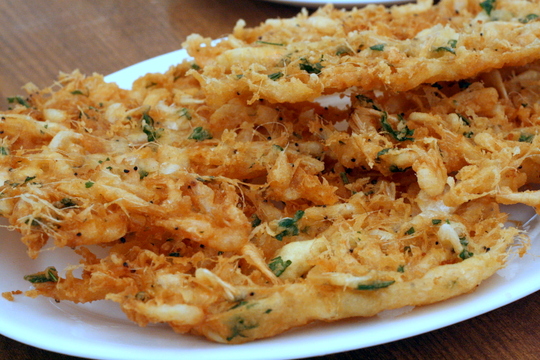
Tortillitas de Camarones
These crispy shrimp fritters from Cadiz in southern Spain are the perfect light summertime snack. Pair them with a glass of dry sherry for a real taste of Andalucia!
Ingredients
- 150g fresh camarones (baby shrimp)
- ¾ cup flour
- ¾ cup chickpea flour
- 1 cup cold water
- 1 small spring onion, finely diced
- Good quality Spanish olive oil
- Fresh parsley, finely chopped
Instructions
- In a bowl, combine the flour, chickpea flour, diced onion, chopped parsley, and a pinch of salt.
- Add the glass of water and mix to form a smooth batter with a runny consistency.
- Add the shrimp, and mix so that all of the shrimp are covered in the batter. Leave the mix to chill in the fridge for 30 minutes (this will help you get the mega crispiness in the fritters!).
- In a large, shallow frying pan add olive oil to a depth of about 2 centimeters (just below an inch). Place over a medium-high heat.
- Once the oil heats up, start adding tablespoons of the batter to the frying pan. The batter should expand and crisp up into fritters. Add enough fritters to fill the pan, without them touching each other or the edges of the frying pan.
- Fry until golden brown, turning over halfway through to make crisp on both sides.
- When ready, use tongs to remove the fritters from the pan, allowing excess oil to drip back into the pan. Gently put on a plate covered with paper towels.
- Serve hot, seasoned with more salt.
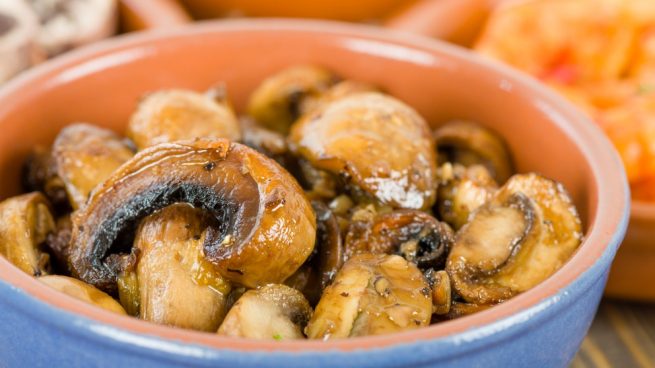
Champiñones al Ajillo
This version of Champiñones al Ajillo (garlic mushrooms) makes the perfect starter for a chilly autumn night. Just make sure that you’re sharing the dish (and the garlic breath) with everyone around you!
Ingredients
- 500g large button mushrooms
- 5 cloves of garlic, peeled and finely sliced.
- 2 cayenne peppers
- ⅓ cup white wine
- ½ cup good quality olive oil
- 1 cup of parsley, roughly chopped.
Instructions
- First, clean the mushrooms by cutting the base of the stem, and then gently wiping with a damp cloth. Once clean, slice the mushrooms from top to bottom.
- Place a frying pan over medium heat, and add the olive oil. When the oil is hot, add the finely sliced garlic cloves and the cayenne peppers.
- Once the garlic starts to turn golden, add the mushrooms to the pan, along with the white wine and a pinch of salt. After the wine is reduced and absorbed by the mushrooms, leave the pan on the heat for five minutes more and then remove from heat.
- Serve the mushrooms hot, garnished with the parsley and another pinch of salt.
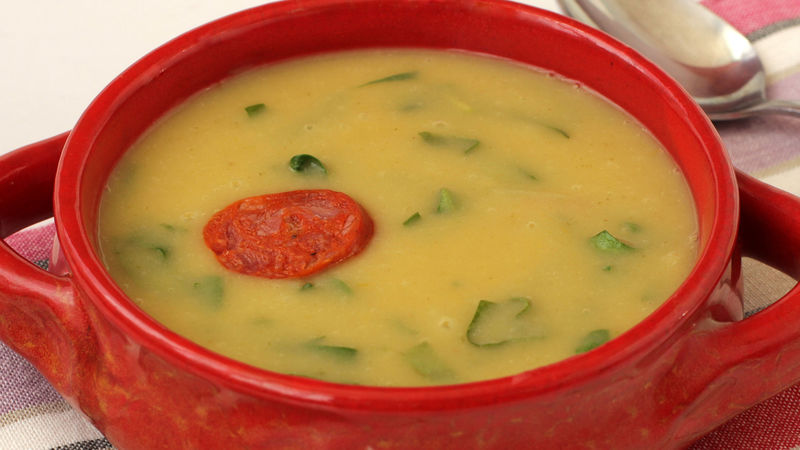
Caldo Verde
This Caldo Verde recipe is easy, healthy, and authentic. It comes straight from the kitchen of 33 Hostel in central Portugal. Make it for lunch, dinner, or any special occasion!
Ingredients
- ½ kilo of potatoes (about 1 lb)
- ½ kilo of yellow onions (about 1 lb)
- 1 large carrot
- A large piece of Portuguese chouriço (about 4 inches long)
- 1 garlic clove
- 1 kilo of kale or another dark, leafy green (about 2 lbs)
- Salt to taste
- Olive oil to taste
- Red wine vinegar or apple cider vinegar
- Broa (Portuguese corn bread) or other bread to serve the soup with
Instructions
- Fill a large saucepan with water and bring to a boil.
- Peel and chop the potatoes, onions, and carrot while the water heats up.
- Add the veggies and a pinch of salt to the boiling water and reduce the heat to medium low.
- Cut the chouriço in half and add one piece to the pot (reserve the rest).
- Boil until the veggies are soft and fully cooked.
- In the meantime, wash the kale well and chop it very finely into long, thin strands.
- Once the veggies are cooked, blend the pot’s contents (including the chouriço) to form a smooth consistency.
- Put the blended broth back onto a low flame.
- Add salt and olive oil to taste, then add the kale.
- Simmer until the kale is cooked through.
- Remove from the heat and add a drizzle of olive oil and a splash of vinegar—this helps the kale separate instead of clumping.
- Serve the soup in bowls, topped with thin slices of chouriço and accompanied by broa or bread.
Main
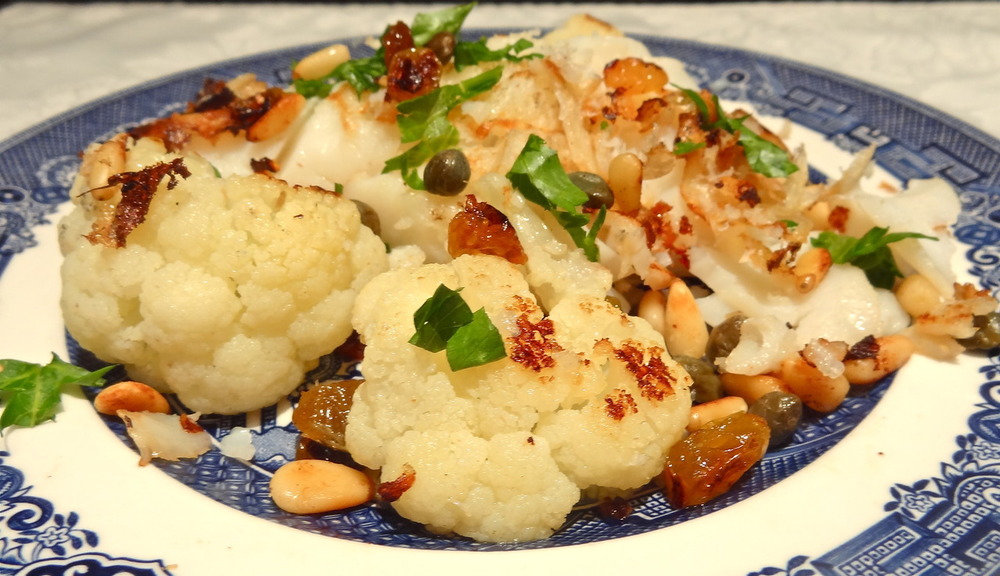
Cod with Cauliflower Recipe
This delicious cod with cauliflower recipe is a dish from northern Spain that’s typical for the holidays. It is super easy and gets rave reviews from friends and family!
Ingredients
- 1 medium head of cauliflower, divided into florets
- 1 pound of salt cod cut in small fillets with or without bones/skin (doesn’t matter), soaked 24-36 hours (see note below)
- 5 cloves of garlic
- Sweet Spanish paprika
- Flour for breading the cod
- Extra virgin olive oil
- Salt
- To prepare the salt cod you must soak it in cold water for at least a day. Depending on the brand it may require more of less soaking to remove the salt. Cover the cod by at least two inches and keep in the refrigerator, changing the water 3-4 times a day.
Instructions
- Steam the cauliflower florets for about 20 minutes until al dente. If you don’t own a steamer (I don’t) you can put the cauliflower into a colander, place it on top of a partway filled pot of water and bring it to a simmer, covering the cauliflower with the pot’s lid (make sure the colander doesn’t actually touch the water).
- As the cauliflower simmers, dredge the cod in flour and brown each piece in about a ½ inch of olive oil, making sure each side is golden brown but not overcooked.
- Allow the cod to drain off the excess oil on paper towels and reserve.
- Cool the same oil (and add more if necessary to make sure the pan is filled with about a ½ cup of extra virgin olive oil) and then add the 5 sliced garlic cloves and slowly fry them until just starting to brown.
- Remove the garlic oil from the heat and take out the garlic with a slotted spoon.
- After the oil has cooled for a couple of minutes add a spoon of sweet Spanish paprika and let it infuse.
- After about 10 minutes carefully spoon out the infused olive oil, leaving behind the actual paprika, which would give the dish a sandy texture and brown color.
- In an oven safe serving dish layer the cod and cauliflower then top with the flavored oil and sprinkle with the browned garlic.
- Eat as is or put in the oven for a few minutes right before serving to make sure everything is piping hot.
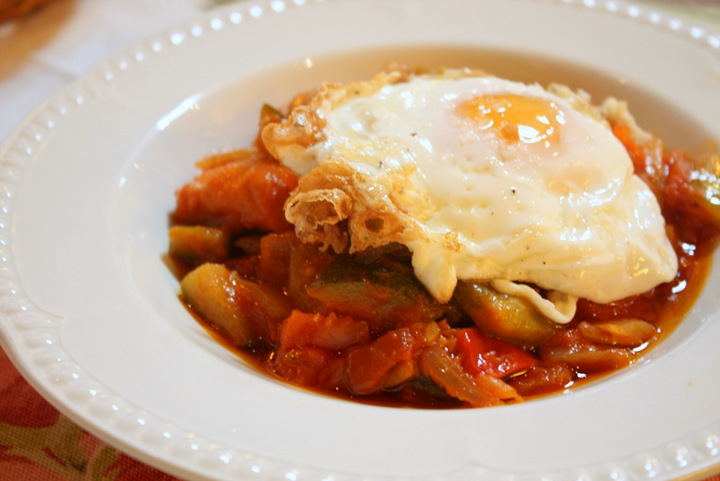
Traditional Spanish Pisto
Try my delicious Pisto recipe, a Spanish version of ratatouille (Stewed vegetables)!
Ingredients
- 3 small zucchini, diced
- 2 medium red bell peppers, diced
- 2 medium green bell peppers, diced
- 4 medium onions, diced
- 3 small purple eggplants, peeled and diced
- 2 pounds of ripe tomatoes (the better your tomatoes, the better your pisto!), peeled and diced
- 5 cloves of garlic, diced
- A pinch of thyme, rosemary and (optionally) fresh oregano
- 1 teaspoon of cumin
- 1 teaspoon of refined sugar (substitute honey or brown sugar for a more natural take)
- Salt and pepper to taste
- A couple of dried cayenne peppers– optional (and not traditional)!
- Extra virgin olive oil
- Optional: Fried eggs
- Optional: Manchego cheese (or any cured raw sheep’s milk cheese)
Instructions
- Peels and dice the vegetables as indicated, and layer the eggplant on paper towels then sprinkle with kosher salt. Let them sit at least 10 minutes.
- Put two different frying pans on a medium heat and add a splash of olive oil to each.
- Add the diced onions to one of the pans, with a pinch of salt. Sauté over a medium-low heat until they start to turn transparent, then cover the pan and allow them to poach (you don’t want them to brown). Once fully cooked, reserve in a large bowl.
- In the meantime, add the peppers to the other pan and sauté over a medium high heat until starting to brown. Lower to medium and cover for about 10 minutes. Once cooked through reserve along with the onions.
- Rinse the salt off of the eggplant in a mesh strainer.
- Follow the same steps as the peppers to cook the zucchini and eggplant (in separate pans). You want to start cooking them on medium high, and once starting to brown lower the heat and cover until tender (stirring a few times so they don’t stick). Then reserve along with the other vegetables, mixing to make all the flavors combine.
- Add all of the spices to the bowl of vegetables and mix well.
- Next, add a bit more oil to one of the pans if necessary, and add the diced garlic (and the dried cayenne peppers if using). Sauté over medium heat until starting to fry. Then add the peeled and diced tomato to the pan. Cook over a medium low heat for about 20 minutes, stirring frequently, until you have tomato sauce. Add the sugar, and adjust for salt.
- Now, in a large frying pan, mix the previously cooked veggies with the tomato sauce.
- Mix everything well, and cook for 10 minutes over a medium heat. Adjust for salt and spices, and enjoy!
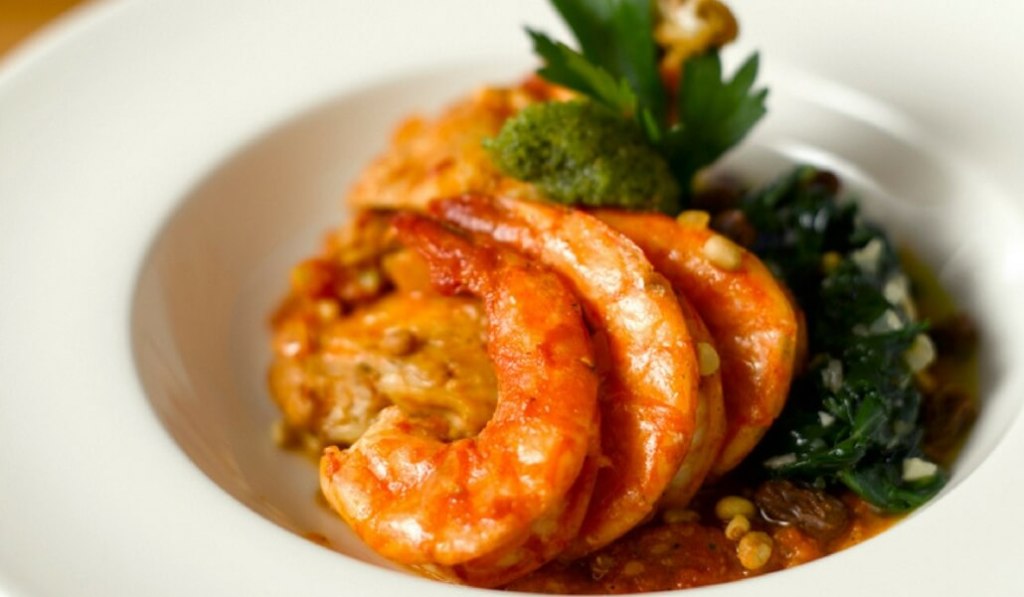
Mar i Muntanya Recipe
This Catalan mar i muntanya recipe is a delicious dish of braised chicken and shrimp with an almond sauce.
Ingredients
- A 3 pound free range chicken, skin off (except for the wings)
- 12 whole shrimp/prawns, uncooked
- 4 langoustines (optional), uncooked
- 2 large tomatoes, grated
- 2 sweet onions, diced
- ⅓ cup of brandy
- 2 slices of hearty baguette bread, toasted
- 20 raw almonds (peeled)
- 5 garlic cloves
- Salt and pepper
- Extra virgin olive oil
- About 10 cups chicken stock (see below)
Chicken stock (will make about 10 cups)
- 1 carrot
- 1 onion
- 1 leek
- 2 garlic cloves
- 1 bay leaf
- 1 bunch of fresh parsley
Instructions
- Cut the chicken into eight serving pieces (or get your butcher to do this)
- If you are making the chicken stock from scratch (you should!) use only the carcass and the wings for the broth. Reserve the lean meat for the main dish.
- Add the carcass and wings to 3 liters of cold water and add the stock vegetables. Bring to a boil and then lower to a simmer for about an hour and a half.
- To start to make the Catalan picada (which you’ll add to the sauce at the end of the recipe) heat about 6 tablespoons of extra virgin olive oil and lightly fry the almonds and whole garlic cloves (skin on)
- Once the almonds and garlic are golden brown, reserve them in a small bowl along with the toasted slices of bread
- Cover the raw chicken in salt and pepper and add to the same oil, browning the chicken on each side (but not cooking through)
- Once each part of the chicken has been browned, removed and reserved, add the diced onion to the oil and allow to slowly brown
- Grate the tomato (everything except the skin) and reserve the pulp in a bowl
- By now the stock should be finished, strain it and adjust it for salt
- Once the onions are browned, add the brandy and reduce for about a minute
- Add the grated tomato pulp and fry the tomato and onion mixture on low for about 20 minutes until nice and thick (but not dry!)
- To finish the picada mix, add the almonds, garlic and pinch of salt to a food processor (you could also use a mortar and pestle but it’s a lot of work!)
- Pulse a few times until a paste starts to form and then add the toasted bread ¼ piece at a time, reserve this mixture
- Deglaze the tomato and onion mixture with some of the chicken stock
- Transfer the mixture into a large pan and add back the browned chicken. Cover the chicken with the rest of the stock. If there is still chicken exposed, cover with water or fish bouillon
- Simmer the chicken and broth mixture uncovered at a low heat for about an hour
- In the last 15 minutes add in the picada mixture (almonds, garlic and bread paste)
- Place the pieces of chicken onto a serving plate and if the sauce is too thin, turn up the heat for about 10 minutes so that some evaporates
- While cooking down the sauce, add in the shrimp and langoustines for a couple of minutes (until just cooked), take them out and put on the serving dish along with the chicken
- Taste the sauce and add salt and pepper as needed
- Spoon the sauce over the chicken and shrimp in the serving plate
- Serve alongside friend or boiled potatoes
Desserts
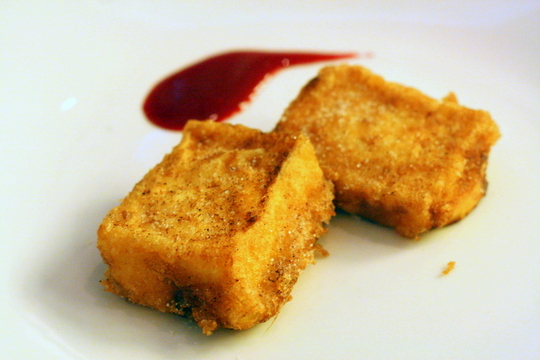
Torrijas
Torrijas are a delicious Spanish style French toast that is typical around Easter. Here’s my favorite Torrijas recipe!
Ingredients
- 4 large eggs
- 1 liter (about a quart) of whole milk
- 1 cup of sugar
- 2 teaspoons of cinnamon
- 3 tablespoons of honey
- Good quality Extra Virgin Olive Oil
- 1 tablespoon of lemon zest
- 1 teaspoon of cardamom seeds
- A thick bar of slightly stale French bread (or other, basically what you’d normally use to make a thick French toast)
Instructions
- Bring the liter of milk, ½ cup of sugar, lemon peel, and cardamom seeds to a slow boil.
- Cut the bread in thick slices.
- When the milk mixture has been cooking for about 15 minutes, turn off the heat and soak the slices of bread in this mixture. Be careful not to completely wet them to the point that they will break apart, but try to get them to absorb as much milk as possible.
- Let the slices of wet bread rest and cool (some liquid may be lost).
- Beat the eggs in a shallow bowl and dip the slices in the egg mixture. In the meantime, heat up about ½ an inch of the olive oil in a deep, heavy pan on medium-high heat.
- Fry the slices two by two, flipping them halfway so that both sides are nice and crisp.
- Let the French toast rest on paper towels to absorb excess oil. In another bowl mix the remaining sugar (1/2 cup) with the cinnamon.
- Cover the slices in the cinnamon sugar mixture and reserve.
- Finally, make the syrup. Take the remaining cinnamon and sugar from coating the torrijas and add it to a medium-sized pot. Add a bit more sugar to completely cover the bottom of the pot if necessary.
- Add 2 cups of warm water to the sugar and bring it to a boil.
- Add the honey (you can add more or less depending on preference).
- Allow the syrup to simmer for about 30 minutes until it reduces to the right consistency. It won’t be a very thick syrup, but it shouldn’t be too watery.
- Take the syrup off of the heat and after about 15 minutes spoon it over the French toast. The torrijas should be completely soaked in the syrup. Allow them to completely cool before putting them into the refrigerator.
- Refrigerate the torrijas for at least 4 hours, but preferably overnight.
- Enjoy within two or three days for best quality! (I doubt they’ll last that long anyway!)
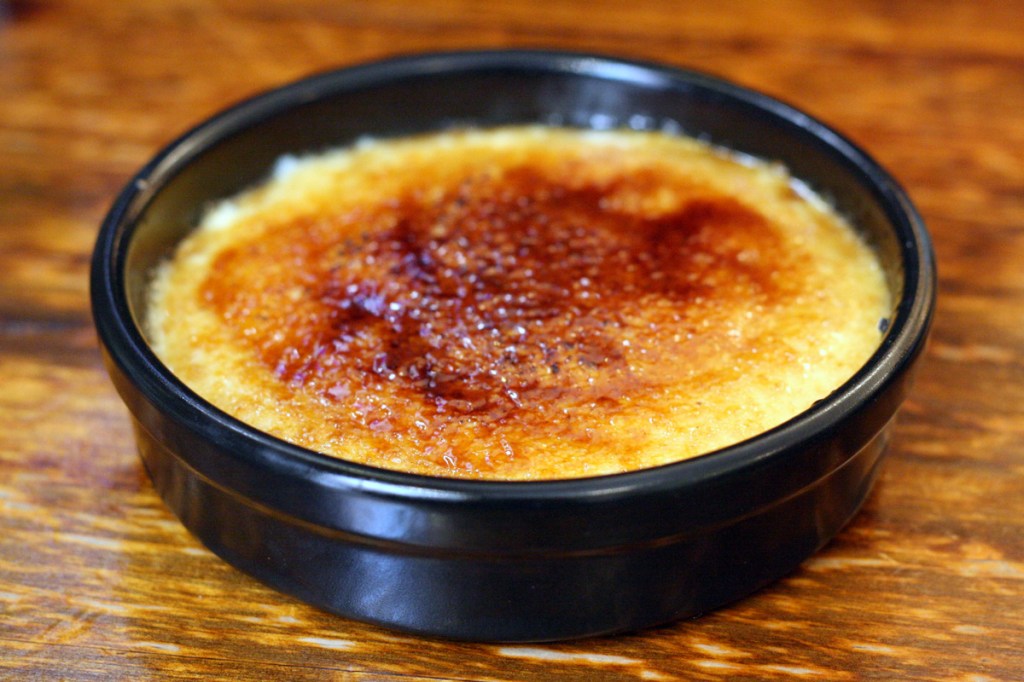
Spanish Crema Catalana
A delicious homemade Crema Catalana recipe, topped with fresh fruit!
Ingredients
- 2 tablespoons (15 g) of cornstarch
- 2½ cups of whole milk
- A big slice of peel from a lemon and an orange (note: not the zest, but rather big slices of the peel)
- 1 cinnamon stick
- 5 large egg yolks
- ½ cup superfine sugar (if you can’t find superfine, don’t worry, it’ll just be a bit more grainy)
- Additional sugar to caramelize on top
- Fresh fruit (like figs, raspberries or strawberries) to top
Instructions
- Put the milk on the stove in a small saucepan, along with the citrus peels and the cinnamon stick. Slowly bring to a boil.
- Dissolve the cornstarch in a splash of water and set aside.
- While the milk is slowly heating, beat the egg yolks with the sugar, until the mixture turns pale yellow. Beat in the dissolved cornstarch and a spoonful of the hot milk.
- Remove the citrus peels and cinnamon stick from the hot milk, and lower the heat.
- Slowly add the egg yolk mixture to the milk, making sure to keep stirring so that the eggs don’t scramble!
- Stir constantly over a low heat, until the mixture has thickened.
- Remove from the heat and pour the mixture into traditional clay dishes or ramekins.
- Allow the custard to cool, and then cover in plastic wrap and chill the crema catalanas for about four hours (preferably overnight).
- Before serving, I like to let mine come to room temperature (unless it’s summer–that would be too hot!). Then sprinkle a thin layer of sugar on top of each ramekin. Spread the sugar out by tilting the ramekins in all directions. Caramelize with a small kitchen blowtorch (though the truly authentic crema catalanas are made with a hot iron (see photo below).
- Top with fresh fruit (optional) and enjoy!
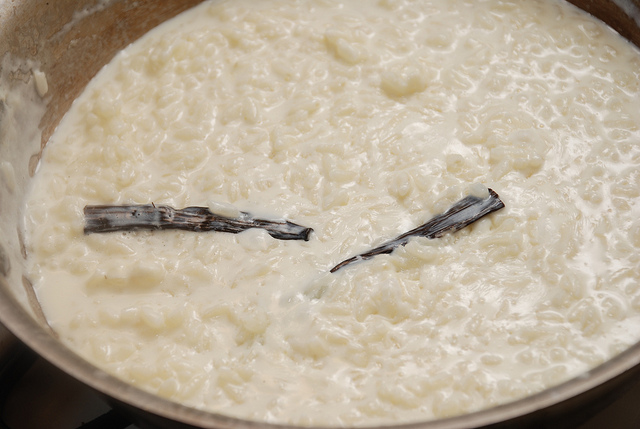
Spanish Arroz con Leche
This creamy Spanish arroz con leche recipe is my mother-in-law’s favorite. It’s Spanish rice pudding done right!
Ingredients
- 1 cup of short grain rice (Arroz Bomba is what I use in Spain)
- 1-2 wide slices of lemon rind
- 1 stick of cinnamon
- 1 teaspoon of ground cinnamon
- 1 pinch of salt
- 1 liter of whole milk (you can substitute non-dairy milks if desired)
- Sugar to taste
Instructions
- Rinse the rice under cold water and then put it in a saucepan over a medium heat, just barely covered with water.
- Add the cinnamon stick and lemon rind. Stir continually until all of the water is absorbed.
- Add milk about ½ cup at a time, stirring each time until all is absorbed. Continue adding up to the whole liter of milk, stirring continuously.
- When is seems creamy enough, taste to make sure the texture of the rice is correct. Some prefer it al dente and others like it very cooked (almost mushy).
- When it is to your liking, turn off the heat and add a pinch of salt and dash of cinnamon. Then, add the sugar a few tablespoons at a time until it is sweet enough for you. Enjoy warm or let cool.
- Sprinkle a bit more cinnamon on top to decorate!

